


Check Your Dog for Fleas: Easy UK Guide (2026)

If your dog is scratching more than usual or you notice tiny dark specks moving through their fur, fleas may be the cause. Fleas are one of the most common external parasites affecting dogs in the UK and can cause irritation, skin infections, and allergic reactions.
- Check the base of the tail, neck, armpits, and belly first — the most common flea hotspots.
- The most reliable test isn't spotting a live flea — it's finding flea dirt using the damp paper towel test.
- Only about 5% of fleas live on the dog — most are in carpets, furniture, and bedding.
- Fleas are active year-round in the UK — warm homes let them thrive even in winter.
What fleas look like on dogs
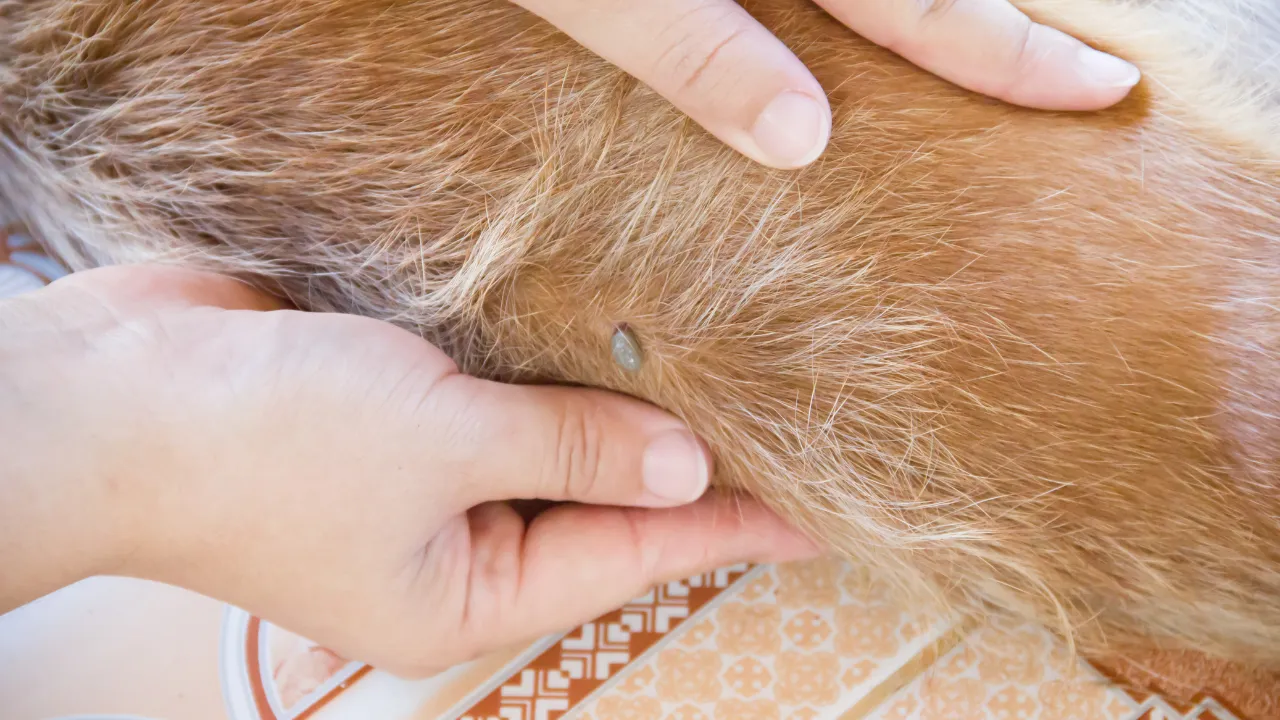
Fleas are tiny, dark brown or reddish insects with oval bodies and powerful back legs designed for jumping. Most adult fleas are only 1–2mm long but can be seen with the naked eye.
Their flattened shape helps them move easily through fur, and their quick movements make them difficult to catch. If something hops away the moment you part your dog's coat, it's very likely a flea.
Where fleas commonly hide
Fleas tend to gather in warm, sheltered areas where your dog struggles to scratch. Focus your checks on:
- Base of the tail and lower back — the most common hotspot
- Neck and under the collar — warm and protected
- Armpits and groin — soft skin and shelter
- Belly — thinner fur makes fleas or bite marks easier to spot
Checking these areas regularly makes detection much easier.
How to check your dog for fleas (step by step)
The best way to confirm fleas isn't always by spotting a live insect — it's by finding flea dirt, which is flea droppings made from digested blood.
What you'll need:
- A fine-toothed flea comb
- White kitchen roll or tissue
- A little water
1. Prepare the surface
Lightly dampen white kitchen roll and lay it flat.
2. Comb your dog thoroughly
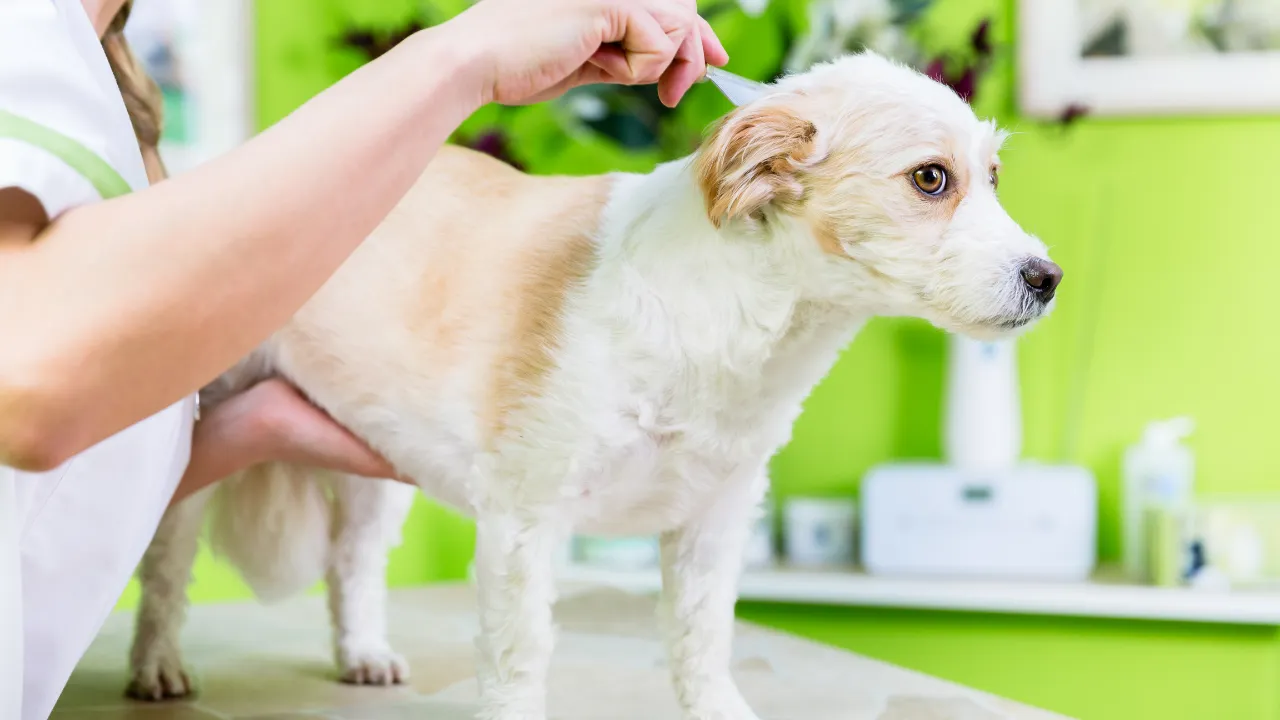
Place your dog on a light floor or towel. Comb down to the skin, especially around the tail base, neck, armpits, and belly.
3. Collect the specks
Tap the comb onto the damp paper to drop any black debris.
4. Wait 30–60 seconds
If the specks dissolve into reddish-brown stains, it's flea dirt (dried blood). If they stay black or grey, it's likely normal dirt.
5. Check for bite marks
Look for redness or bumps on the belly, groin, and lower back.
6. Watch behaviour
Restlessness, constant scratching, or biting at the skin often indicates fleas.
7. Inspect bedding
Fleas and eggs often live in your dog's sleeping areas.
What flea bites look like
Some dogs barely react to flea bites, while others develop flea allergy dermatitis, where even one bite causes severe itching and inflammation.
Common signs include:
- Small red raised bumps
- Red, irritated patches of skin
- Scabs from scratching
- Hot spots (raw, weeping areas)
- Hair loss, especially near the tail or legs
If skin becomes broken or infected, veterinary treatment may be needed.
What to do if you find fleas
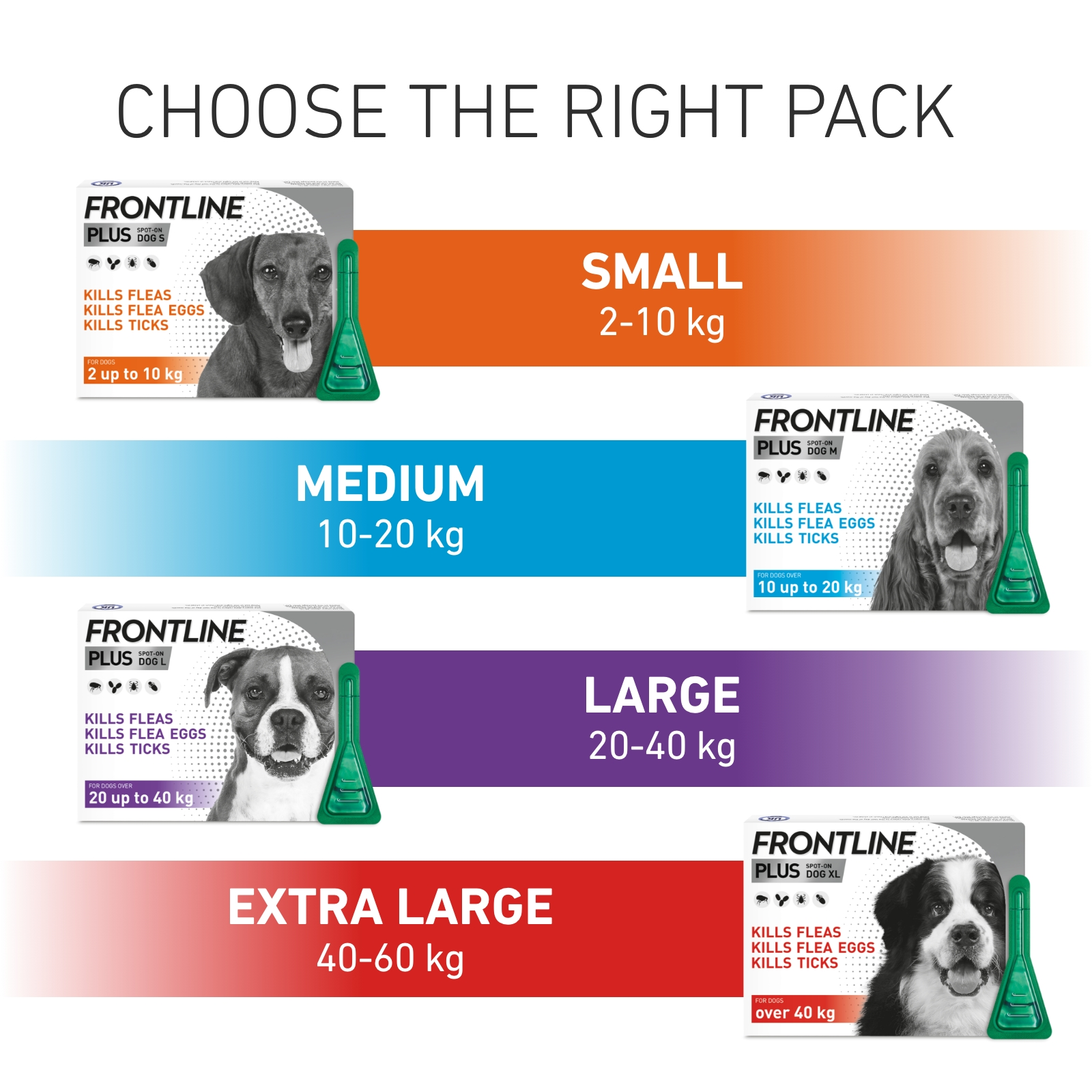
- Treat your dog with a vet-approved flea product
- Wash bedding at 60°C
- Vacuum carpets and furniture daily
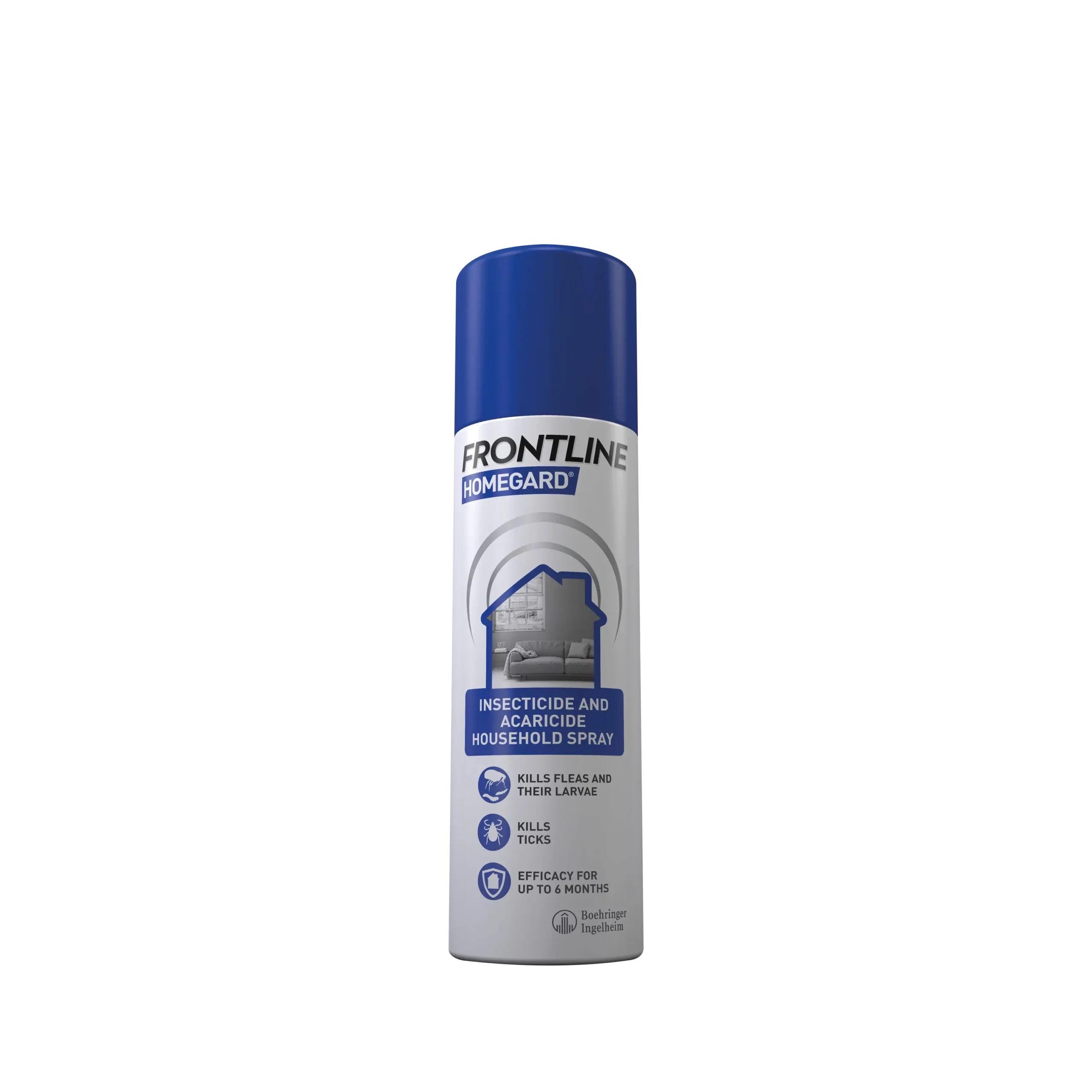
- Use household flea spray to kill eggs and larvae
Treating both your dog and your home is essential to stop reinfestation.
Common questions about dog fleas
Final takeaway
Regular flea checks are one of the easiest ways to protect your dog's comfort and health. By focusing on common hiding spots and using the simple flea dirt test, you can spot infestations early — before they spread throughout your home.
Early detection makes treatment faster, easier, and far less stressful for both you and your pet. If you're ever unsure, your vet can confirm fleas and recommend the best treatment plan.