

Can a chemist take back pet medicine?

Verified
Most owners find leftover medicine in the cupboard at some point. Half a pack of wormer, an unused spot-on pipette, the end of a course of antibiotics. Here’s how to dispose of pet medication safely: the short version first, then the details.
Medicine can be out of date even when the box says it isn’t. There are two dates to know about, and most people only know one.
Jump to a section
The short answer
- Return unused and expired medicine to your vet practice. It’s the safest way to dispose of it.
- Never pour medicine down the sink, toilet or drain.
- Don’t put it loose in the bin, keep it for later, or give it to another pet.
Is it already expired?
Medicine can be out of date even when the box says it isn’t. There are two dates to know about, and most people only know one.
The date on the box applies to sealed products. Once opened, a shorter in-use shelf life applies, and it’s listed in the product leaflet.
Vet practices ask for tablets or pipettes taken out of the blister pack, but not used within 28 days, to be returned. For opened liquids and eye drops, check the leaflet, as the in-use period varies by product.
If you can’t remember when you opened something, treat it as expired. Next time, write the opening date on the box.
What to do with each item
Find what you’ve got, follow the steps, and you’re done.
| What you’ve got | Do this | Never |
| Tablets in the blister | Keep in the original packaging. Return to your vet. | Bin them |
| Tablets popped out | Gather tablets of the same type in a sealed, child-proof container. Return. | Loose in a bag |
| Part-used pipette, bottle or jar | Lid on tight, leak-proof bag, label left on. Return. | Pour or rinse it away |
| Empty pipette | Put the cap back on. Household bin. | Rinse it out |
| Leftover antibiotics | Return them. | Save for next time |
| Needles and syringes | Sharps bin. Ask your vet how to return it. | Household bin |
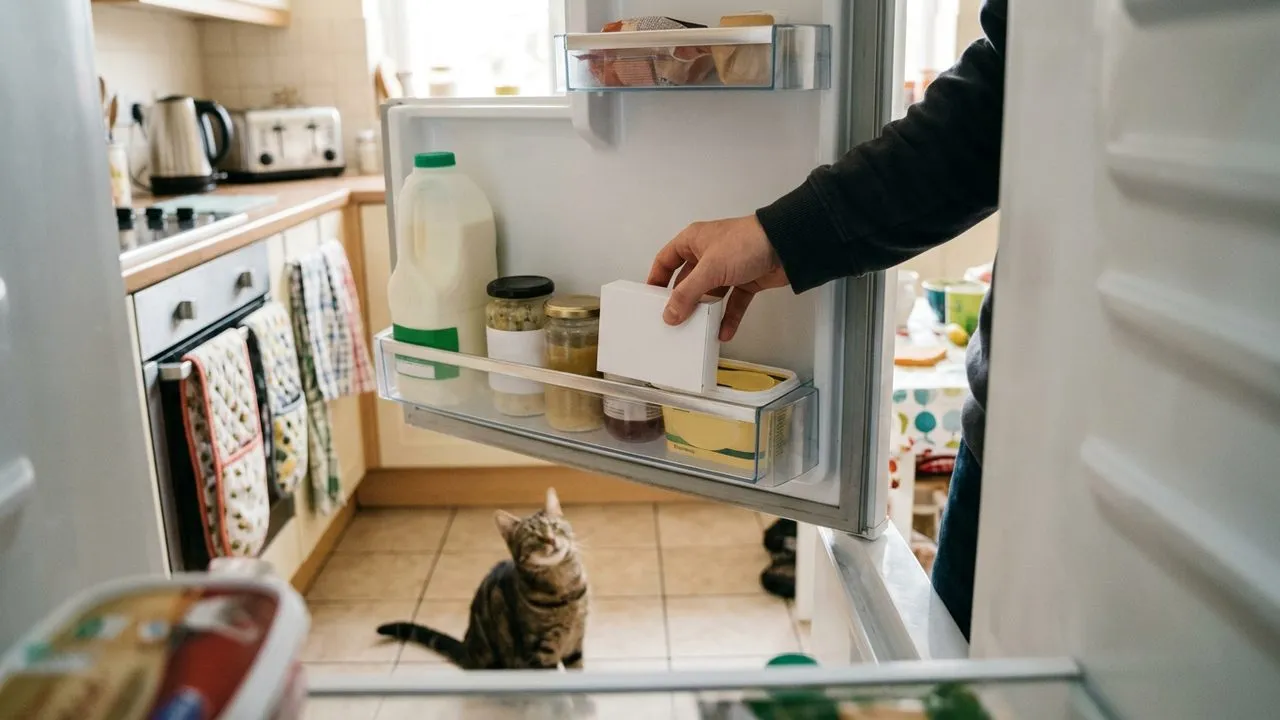
| Fridge item that went warm | Stop. Contact the supplier or your vet before using it. | Assume it’s fine |
| Medicine you can’t identify | Bag it and take it to your vet. | Use it or bin it |
Why not the sink?
Medicine poured away can reach rivers, where it can harm fish and other aquatic life. Flea treatment chemicals are already widespread. In
, fipronil turned up in 98% and imidacloprid in 66%.
Can a chemist take it back?
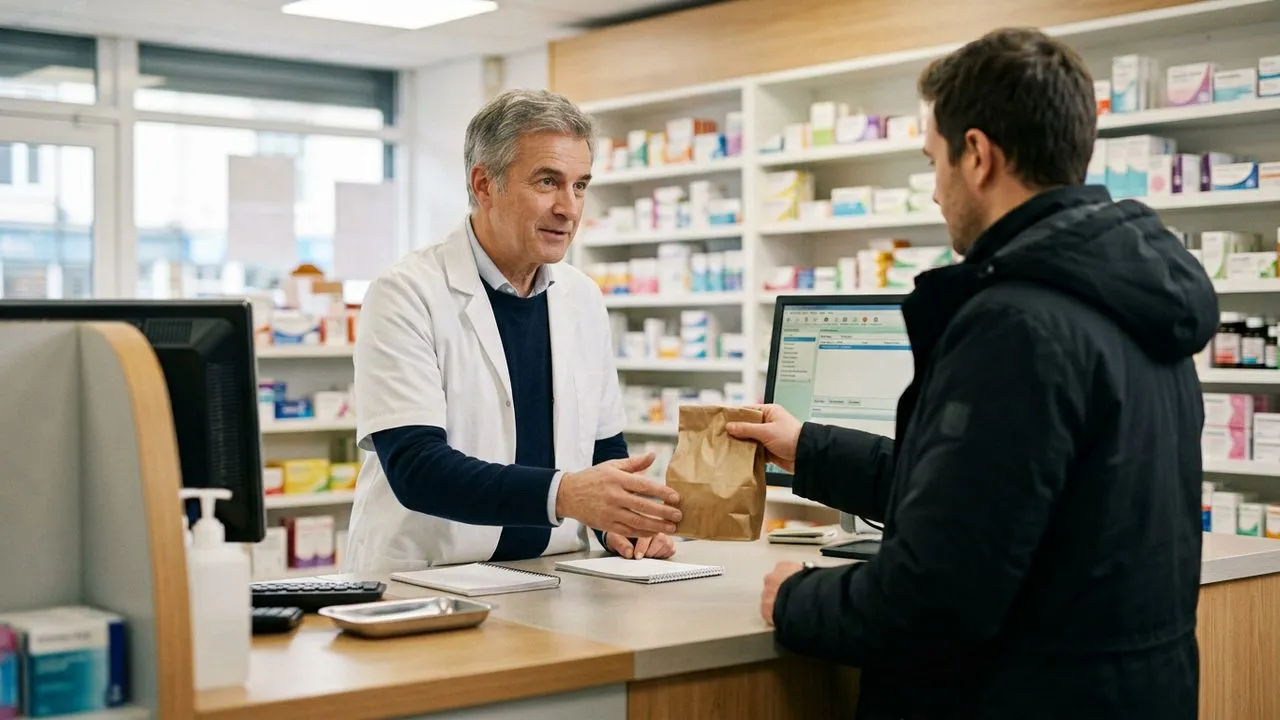
Some pharmacies accept pet medicine, but not all, so call first. Your vet practice is the most reliable option.
Why we can’t take it back
We get asked this a lot. Once a medicine has been in your home, we can’t pass it on to another pet. There’s no way of knowing how it was stored, so it wouldn’t be safe.
It’s the same reason we can’t refund it. Your vet will take it, though, and that’s where it needs to go.
Common questions
Is a month past the date really a problem?
Yes. Out-of-date medicine can be less effective, and using out-of-date antibiotics can contribute to antimicrobial resistance.
Can I give it to my other pet?
No. Medicine is chosen for one animal at one weight, and licensed for specific species. Using leftovers on another pet risks side effects or under-treatment.
How do I dispose of flea treatment?
Return unused or part-used spot-ons and sprays to your vet practice. Never wash them down the sink or drain. Put the cap back on empty pipettes and put them in the household bin.
Should I take the label off first?
Leave it on. It helps the practice identify what’s being returned.
My pet died part-way through a course.
We’re sorry. Return any remaining medicine to your vet practice, and they’ll dispose of it safely.
Is there a good time to clear the cupboard?
The
runs every November and makes a good annual reminder. You can return medicine to your vet at any time, though.
For the longer version of this guide, covering sharps, controlled drugs, fridge medicines and what to do after a pet dies, see what to do with unused or expired pet medicine.