




Can Dogs Get Fleas in Winter? The Truth Most Owners Miss

Yes, they absolutely can. I have treated many cases during the winter months, and in some situations, the infestations were even worse than in summer.
- Adult fleas die below 8°C, but they rarely face those conditions for long once indoors.
- Dormant pupae can wait months in the environment before emerging when they sense warmth or movement.
- Stopping treatment in autumn causes a roughly 20% drop in flea treatment sales over winter — exactly when fleas exploit the gap.
- A single female flea can lay up to 50 eggs a day, so a small hitchhiker can become a major indoor infestation by mid-winter.
Why fleas don't just "freeze away"
I used to think cold weather would naturally eliminate fleas, but experience quickly proved otherwise. While adult fleas typically die at temperatures below 8°C and immature stages (eggs and larvae) are even more sensitive, they rarely face these conditions for long. Fleas are far more adaptable than most people expect.
The indoor sanctuary
What I consistently see is that indoor environments completely change the game. Once heating systems are on, your home provides the warmth fleas need to survive and reproduce.
I often explain to pet owners that while it may be cold outside, inside your home, it feels like perfect breeding conditions for fleas. Carpets, sofas, and pet bedding create an ideal environment for eggs and larvae to develop.
Dormant pupae
One of the most surprising things I learned early on is how long fleas can remain dormant. In the pupal stage, they can stay inactive for months, waiting for the right signals like warmth or movement.
I have personally seen homes where no one noticed a problem for weeks, only for fleas to suddenly appear in large numbers. That is not a new infestation. It is one that was quietly developing.
Wildlife hosts
I have also seen cases where fleas were introduced through unexpected sources. Animals like rodents or stray cats can carry fleas into garages, gardens, or even near entry points of your home.
From there, it does not take much for fleas to find their way onto your dog.
The danger of the "winter break"
Many owners stop flea treatments in the autumn, leading to a roughly 20% drop in flea treatment sales during the winter months. This lapse is exactly what these parasites need to establish a foothold. Since a single female can lay up to 50 eggs per day, a small hitchhiker from a late autumn walk can turn into a massive indoor infestation by mid-winter.
How to stay protected
Over the years, I have found that prevention is always easier than dealing with an infestation later.
Maintain year-round treatment
I always advise continuing flea prevention throughout the year. This is one of the simplest and most effective ways to break the flea life cycle.
Target the environment
What many people do not realize is that most of the flea population lives in the environment, not on the dog.
I always recommend vacuuming regularly, especially carpets and furniture, and washing your dog's bedding at high temperatures. These simple steps can significantly reduce the number of eggs and larvae.
Household sprays
If I suspect fleas are already present in the home, I suggest using a veterinary-approved environmental spray.
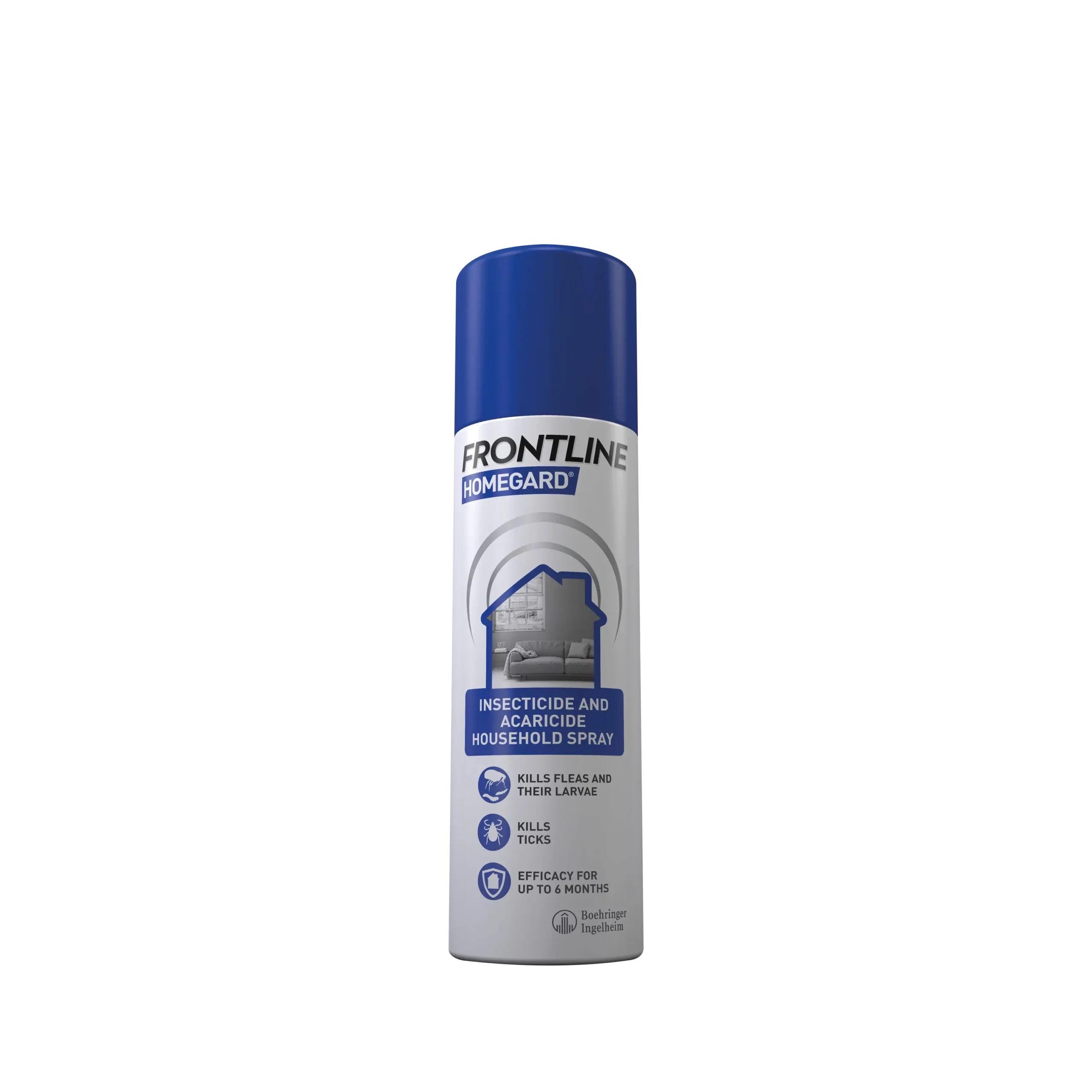
One option I often mention is Frontline HomeGard Flea Spray, which helps target fleas in carpets and furniture where they tend to hide.

Final thoughts
If there is one thing I want you to take away from this, it is that fleas do not take the winter off. I have seen too many cases where a small oversight during colder months led to a frustrating infestation later on. Winter creates a false sense of security, but in reality, indoor conditions allow fleas to continue their life cycle without interruption.
From my experience, the best approach is simple: stay consistent, stay aware, and do not give fleas the opportunity to settle in.
If you do that, your dog and your home will stay protected no matter the season.